When multiple workers use lockout tagout (LOTO) locks that all open with the same key, it can either streamline operations or create dangerous vulnerabilities. The difference lies in intent, implementation, and context. "Keyed the same" LOTO locks—also known as "keyed alike"—are often misunderstood. Used correctly, they improve efficiency during group maintenance tasks. Used incorrectly, they undermine one of the core principles of energy isolation: individual control.
This article breaks down when and why using lockout tagout locks keyed the same makes sense, where it introduces risk, and how to deploy them without sacrificing safety or compliance.
What Does "Keyed the Same" Mean in LOTO?
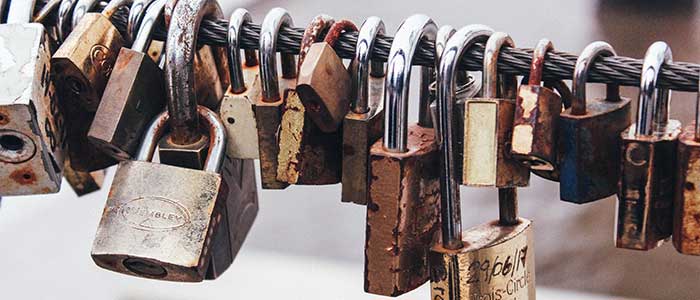
"Keyed the same" means multiple padlocks open with one identical key. In a LOTO context, this typically refers to a set of safety locks where every lock in the set shares the same keying system. For example, ten workers on a maintenance team might each have a personal lock, but all ten open with a single master key.
This differs from: - Keyed different: Each lock operates with a unique key. - Keyed different with master control: A restricted master key system where individual keys work only one lock, but an authorized supervisor holds a master.
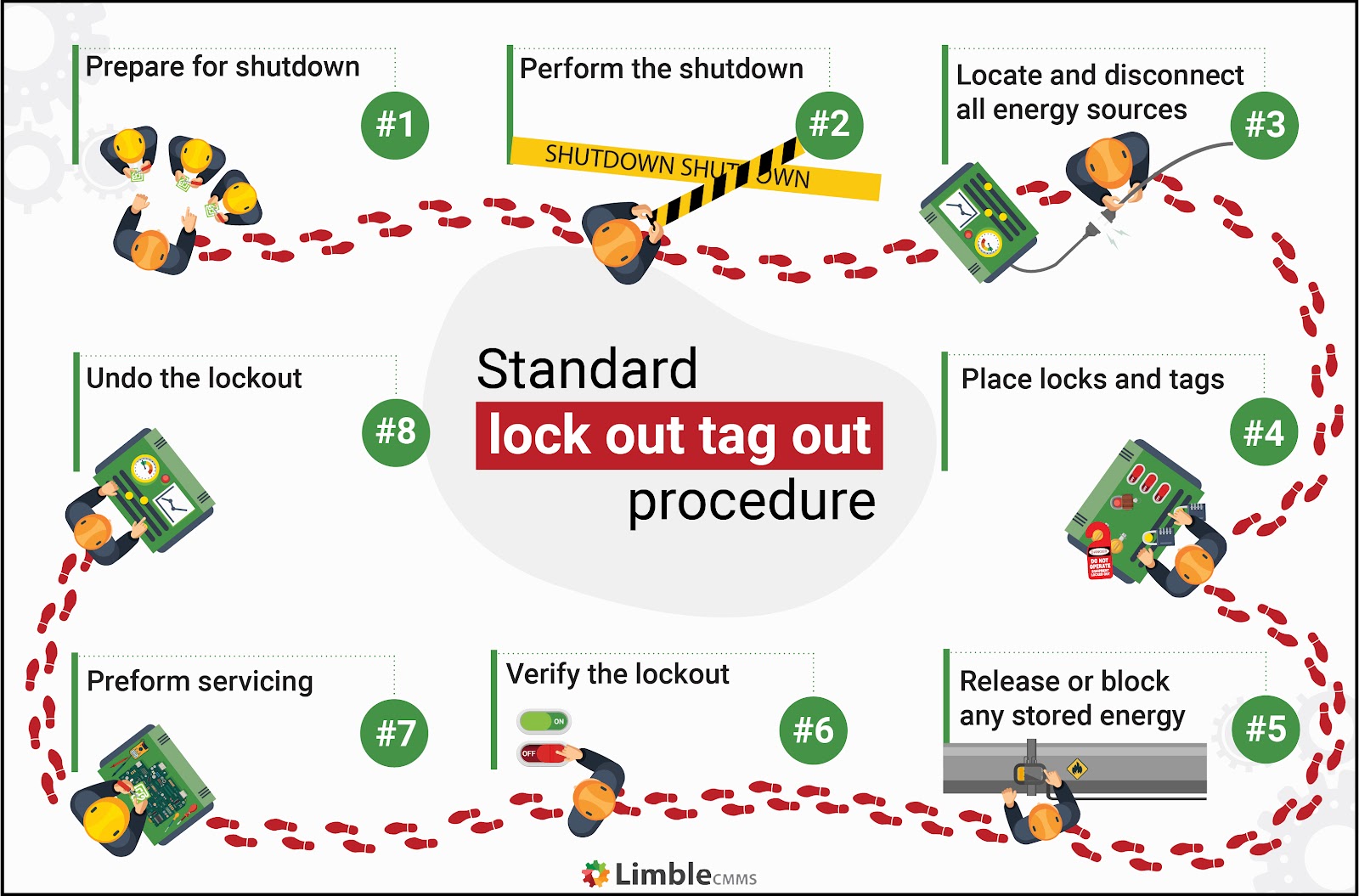
In LOTO, individual accountability is paramount. OSHA standard 29 CFR 1910.147 requires that each authorized employee apply their own lock and tag to energy isolation points. This ensures no one can remove another worker’s lock—safeguarding against accidental re-energization.
So how does using locks keyed the same not violate that principle?
Because the key opens the lock body, but only the worker who applied the lock should remove it. The shared key isn’t for removing others’ locks—it’s for logistical efficiency, such as during shift changes, equipment transfers, or multi-craft maintenance.
Why Use LOTO Locks That Are Keyed Alike?
Despite concerns, there are legitimate and safe reasons to use keyed-alike LOTO locks.
#### 1. Multi-Person Maintenance Teams In complex maintenance scenarios—like turbine overhauls or conveyor line servicing—multiple technicians from different disciplines (electrical, mechanical, hydraulics) may need to lock out a single machine. If each uses a lock from a keyed-alike set, it ensures that a backup key is available if one is lost or damaged—but never to bypass another worker’s lock.
Real-world example: A manufacturing plant runs 24/7. During a weekend shutdown, six technicians lock out a production line. One loses their key. Because all locks are keyed alike, maintenance leadership can use a secured backup key to access that one lock—only after verifying the worker has cleared the equipment. This prevents costly downtime without compromising safety.
#### 2. Backup Key Access Under Strict Controls Having a single key for multiple locks simplifies backup key management. Instead of storing dozens of unique keys, a supervisor holds one key in a locked key box, accessible only via documented procedure.
Best practice: - Backup key stored in a restricted-access key safe. - Access requires dual authorization and logging. - Used only in emergencies or shift transitions.
#### 3. Departmental or Zone-Based Lockout Programs Some facilities use color-coded, department-specific lockout kits. Each department (e.g., electrical, mechanical) has its own set of locks, all keyed alike within the set but different from others.

Example: - Red locks: Maintenance team, keyed alike #A - Blue locks: Electrical team, keyed alike #B - Green locks: Contract workers, keyed different
This allows internal efficiency while maintaining separation between groups.
When Keyed-Alike LOTO Locks Become a Risk
Misusing keyed-alike systems erodes LOTO integrity.
#### Danger Sign: Using One Key to Remove Multiple Locks If a supervisor or maintenance lead routinely uses a master key to remove workers’ locks during re-energization, that violates OSHA’s requirement for individual lock removal. It assumes all workers are clear without verification.
Common mistake: After a cleaning shift, a supervisor unlocks 8 devices using a single key because “everyone’s back on the floor.” But one technician is still inside a sump pump chamber—unreachable by radio. Re-energizing floods the space.
This isn’t a failure of the lock—it’s a failure of procedure.
#### Danger Sign: Poor Key Control If the master key is kept on a ring in a toolbox or handed to temporary staff, unauthorized access becomes inevitable. A keyed-alike system is only safe if the key is strictly controlled.
Red flags: - Keys copied without authorization - No log of key usage - Key accessible to untrained personnel
#### Danger Sign: Assumption of Safety Through Convenience Just because a lock is part of a LOTO program doesn’t mean it’s safe. Using keyed-alike locks as a shortcut to avoid training or documentation creates complacency.
One plant reported a near-miss when a new hire used a spare lock from a shared kit but didn’t tag it. The team assumed all locks were accounted for, but the missing tag meant no one knew what energy source was isolated.
Best Practices for Using Keyed-Alike LOTO Locks
To use lockout tagout locks keyed the same safely, follow these field-tested protocols:
#### 1. Never Use the Key to Remove a Co-Worker’s Lock The shared key is for emergency access, not routine removal. Every worker must remove their own lock unless incapacitated—and even then, follow a formal release procedure.
#### 2. Secure the Master Key in a Controlled System Use a lockable key cabinet with audit trails. Digital key management systems (like KeyTracer or LockOut TagOut Pro) log who accessed the key and when.
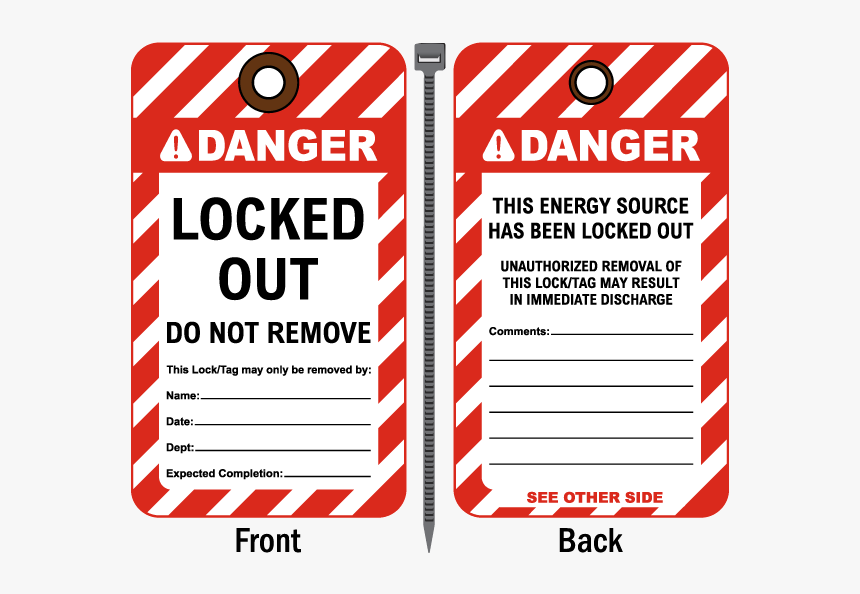
#### 3. Combine with Tagging A lock without a tag is just a padlock. Tags should include: - Worker name - Department - Time and date of lockout - Equipment ID - Reason for isolation
Even if locks are keyed alike, the tag ensures traceability.
#### 4. Audit Lock Usage Weekly Walk isolation points and verify: - All locks have corresponding tags - No duplicate names or missing info - Backup key logs are up to date
#### 5. Train Workers on the "Why" Workers must understand that a shared key doesn’t reduce personal responsibility. Training should cover: - The purpose of individual locks - Consequences of improper key use - Real incident case studies (e.g., OSHA violation reports)
Top 5 Lockout Tagout Locks Keyed the Same (2024 Picks)
When selecting keyed-alike LOTO locks, prioritize durability, visibility, and compliance. Here are five trusted options:

| Product | Material | Shackle Length | Key Control | Best For |
|---|---|---|---|---|
| Grace Industries GOAL Series | Reinforced polymer | 1.5", 2.5" | 12+ locks per key group | High-heat environments |
| Seton SafetyMaster Keyed Alike Kit | Steel with vinyl coating | 1.25" to 2" | Up to 10 locks, color-coded | Multi-craft teams |
| Master Lock 4684QKA | Aluminum | 1.75" | Keyed alike sets of 5 or 10 | General industrial use |
| Brady 191-LKL-A | Polycarbonate | 1.5" | Chemical-resistant, 12-pack | Harsh chemical plants |
| Stanley LOTO Keyed Alike Set | Steel | 2" | Corrosion-resistant, 6-pack | Outdoor or wet environments |
Insight: Grace Industries’ polymer locks are popular in foundries—workers appreciate that they don’t conduct heat and remain easy to handle even with gloves.
Keyed Alike vs. Individual Keying: Which Is Safer?
| Factor | Keyed Alike | Individual Keying |
|---|---|---|
| Emergency access | Easier with backup key | Requires key tracking |
| Worker accountability | Same (if procedures followed) | Same |
| Key management | Simpler (fewer keys) | More complex |
| Risk of misuse | Higher if controls weak | Lower inherently |
| Cost | Lower per lock in bulk | Higher, especially with master systems |
| Compliance | OSHA-compliant if used correctly | Fully compliant |
Verdict: Keyed alike is safer only when paired with strict procedural controls. In high-turnover or less-regulated environments, individual keying reduces risk. In disciplined, well-trained teams, keyed alike improves efficiency without sacrificing safety.
Realistic Use Case: Shift Change in a Paper Mill
At a large paper processing facility, a night maintenance team locks out a calender stack before repairs. Each technician applies their personal lock from a red, keyed-alike set. They tag their lock with name, time, and isolation point.
At 7:00 AM, the day crew arrives. The night team briefs them and removes their locks. One technician forgot to bring their key.
- Instead of delaying startup, the shift supervisor:
- Confirms the worker has left the site
- Retrieves the backup key from the locked key cabinet (logs access)
- Removes only that one lock after double-checking isolation points
- Documents the action in the LOTO log
The process takes 8 minutes. Downtime is minimized. Safety is preserved.
This works because: - The key was controlled - Removal was justified and logged - No assumption replaced verification
Final Guidance: Use Keyed-Alike Locks
with Discipline
Lockout tagout locks keyed the same aren’t inherently risky. The danger lies in treating them as a convenience tool rather than a controlled component of a broader safety system.
If you implement keyed-alike LOTO locks: - Limit distribution to trained, authorized employees - Store backup keys under dual control - Audit usage monthly - Reinforce that the key opens the lock—but only the worker removes it
Safety isn’t about the hardware. It’s about the habits behind it.
Equip your team with the right tools, then train them to use those tools like professionals. That’s how you prevent incidents, pass audits, and keep operations running smoothly.
FAQ
Can OSHA allow lockout locks that are keyed the same? Yes, as long as each employee applies and removes their own lock, and backup key use follows strict procedures.
Is it safe to have a master key for LOTO locks? Only if access is restricted, logged, and used solely for emergency or verified release situations.
What happens if a worker loses their LOTO key? Use the secured backup key only after confirming the worker has cleared the equipment and documenting the action.
Should all LOTO locks in a plant be keyed alike? No. Use department-specific or zone-based keying to balance efficiency and control.
Can contractors use the same keyed-alike locks as full-time staff? Only if they’re integrated into the same LOTO program with proper training and accountability.
Do keyed-alike locks cost more? Typically less per unit when bought in sets, compared to individually keyed systems.
How often should keyed-alike LOTO procedures be reviewed? At least annually, or after any incident or near-miss involving lockout.
FAQ
What should you look for in Understanding Lockout Tagout Locks Keyed the Same? Focus on relevance, practical value, and how well the solution matches real user intent.
Is Understanding Lockout Tagout Locks Keyed the Same suitable for beginners? That depends on the workflow, but a clear step-by-step approach usually makes it easier to start.
How do you compare options around Understanding Lockout Tagout Locks Keyed the Same? Compare features, trust signals, limitations, pricing, and ease of implementation.
What mistakes should you avoid? Avoid generic choices, weak validation, and decisions based only on marketing claims.
What is the next best step? Shortlist the most relevant options, validate them quickly, and refine from real-world results.