A maintenance technician begins servicing a conveyor system. The machine appears off—no lights, no movement. But an unnoticed valve reopens, pressurizing the line. Seconds later, an injury occurs. This isn’t hypothetical. It’s a preventable failure rooted in skipped procedures—one missing LOTO log sheet entry.
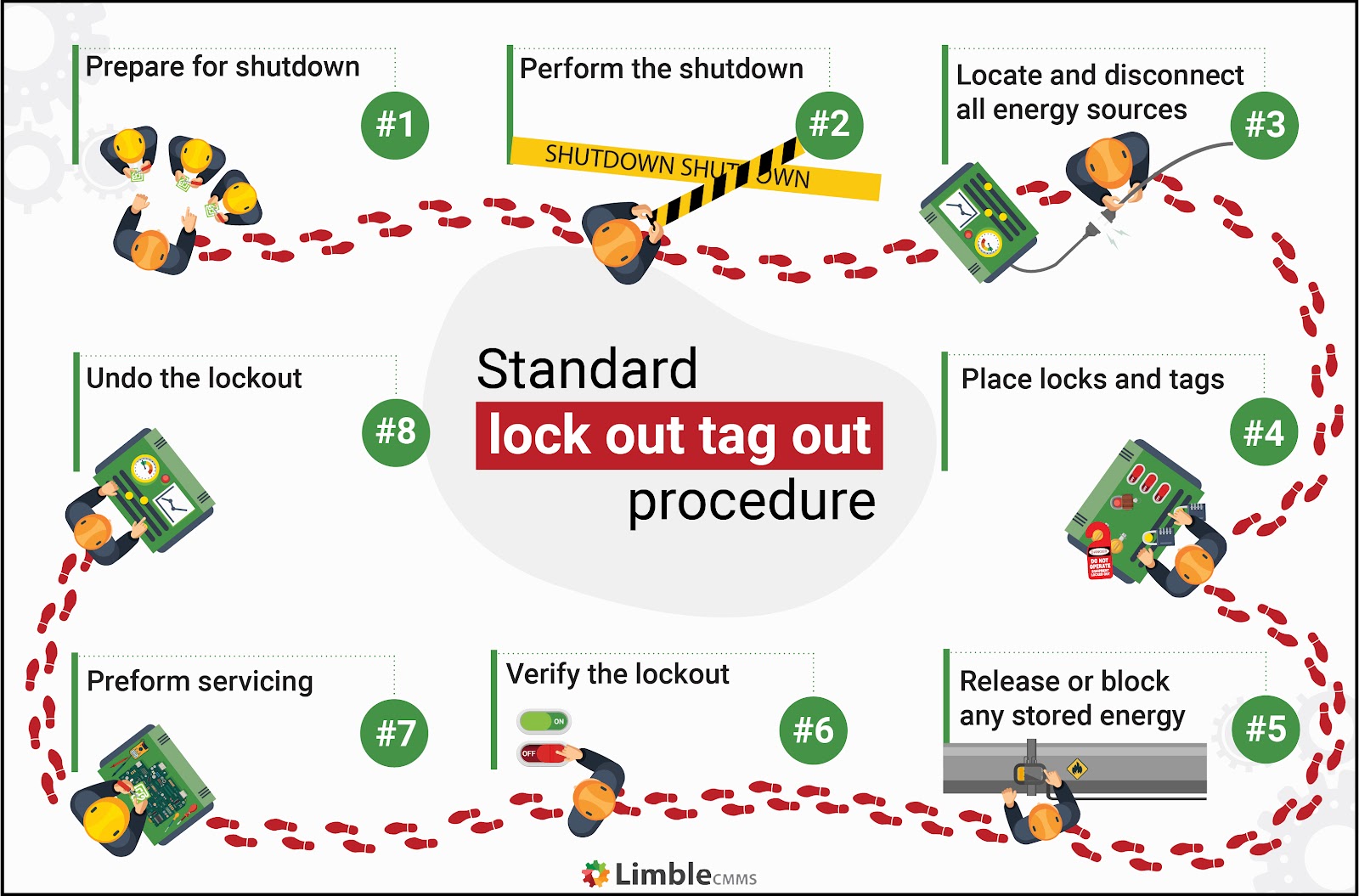
Lock out tag out (LOTO) log sheets aren’t administrative busywork. They are legal, operational, and safety-critical records of energy control. When equipment is de-energized for repair or maintenance, the log sheet becomes the official trail: who locked it, when, why, and how it was verified. Without it, organizations risk regulatory penalties, worker injury, and system downtime.
Yet, in too many facilities, log sheets are filled inconsistently, lost, or treated as an afterthought. This article cuts through the noise to show how properly used LOTO log sheets prevent incidents, meet OSHA standards, and streamline maintenance workflows.
What Is a Lock Out Tag Out Log Sheet?
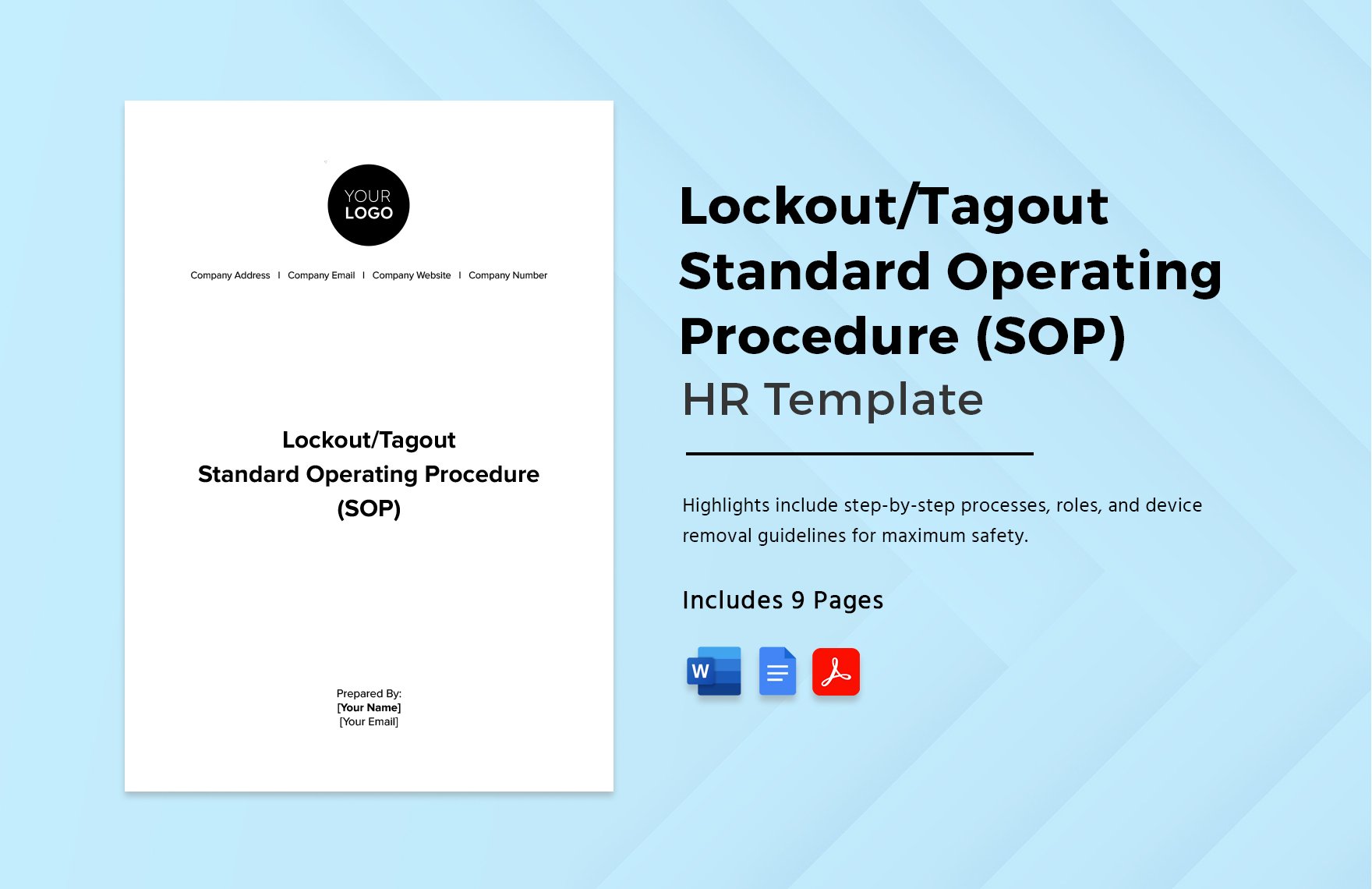
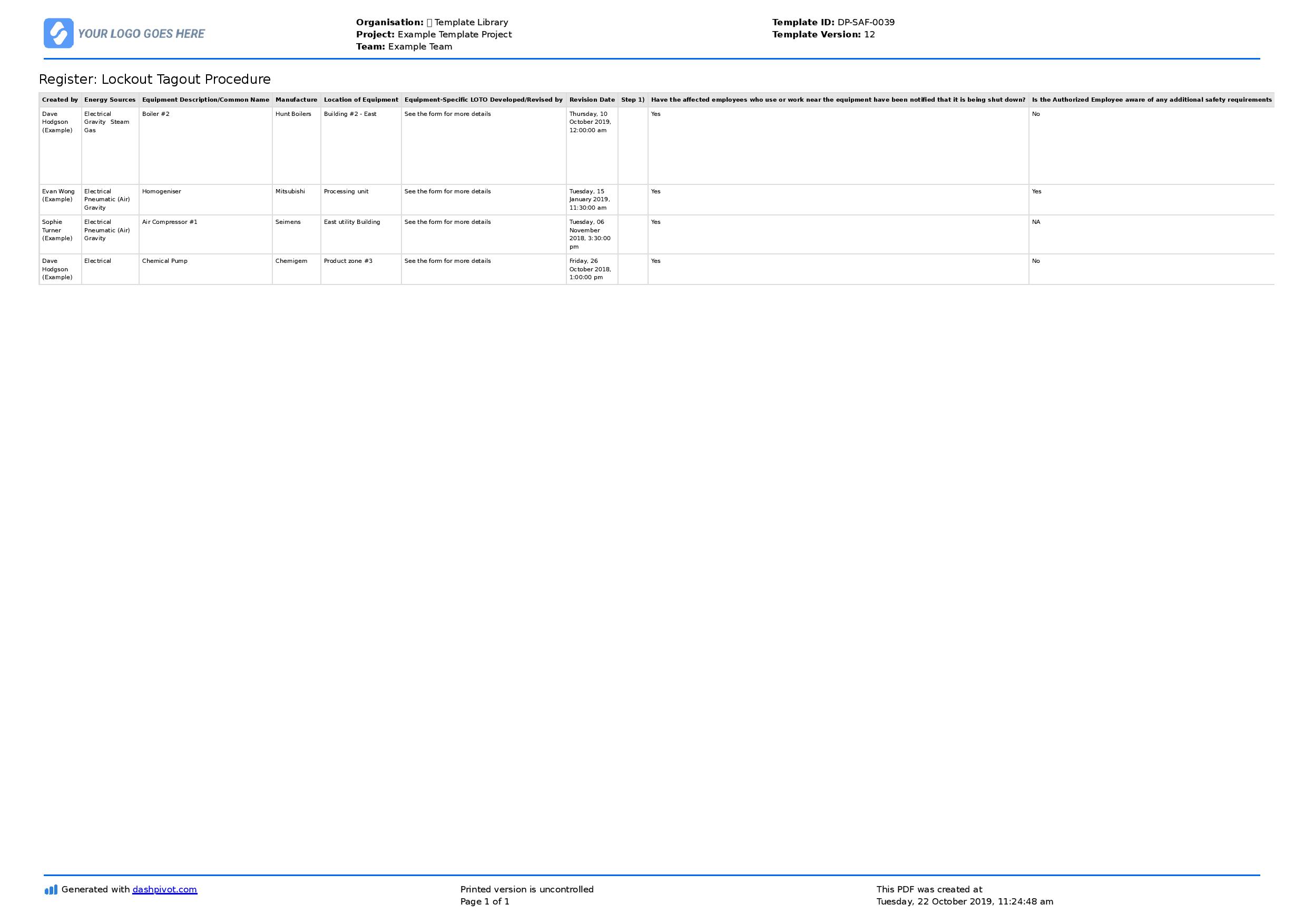
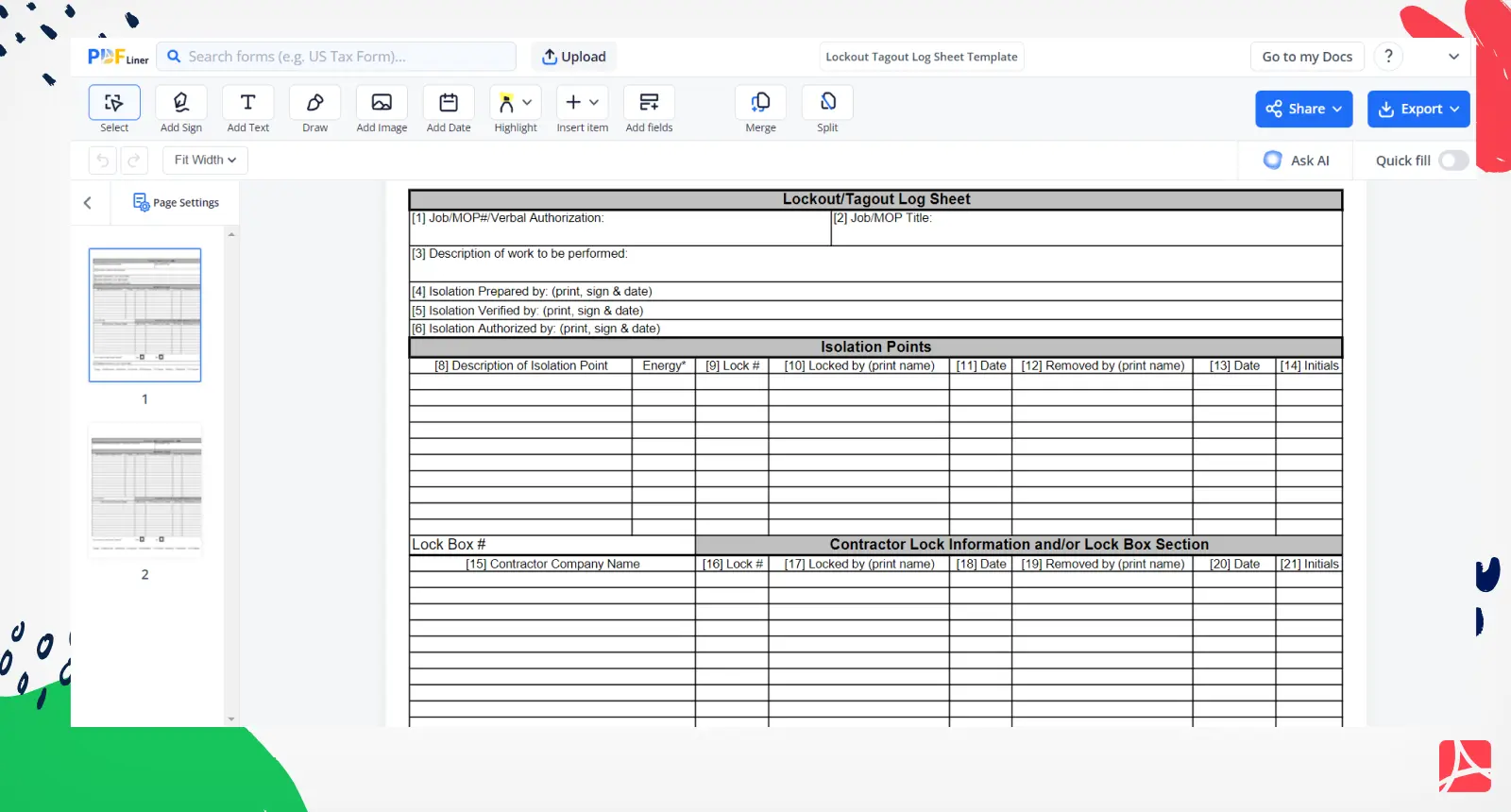
A Lock Out Tag Out log sheet is a standardized form used to document every phase of a LOTO procedure. It records key details whenever energy-isolating devices—like circuit breakers, valves, or disconnects—are secured with locks and tags before maintenance.
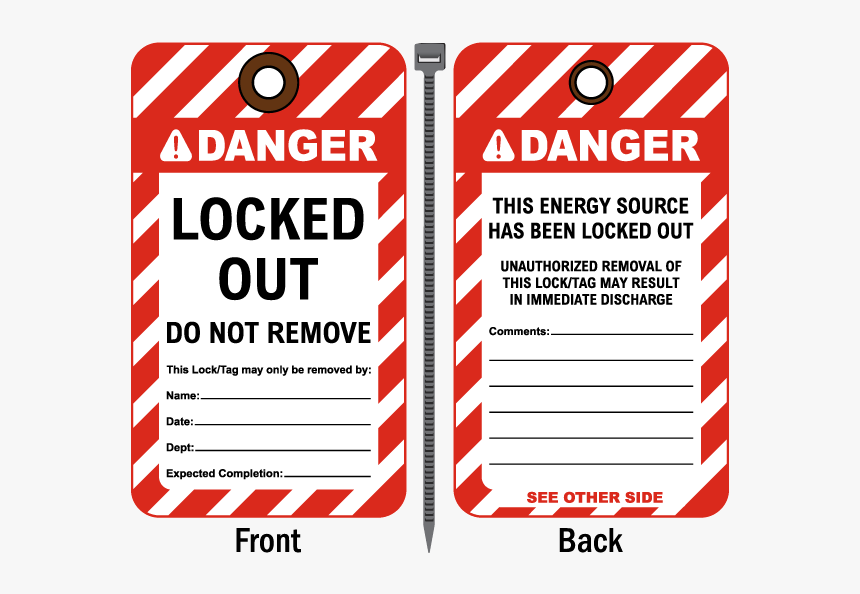
Unlike temporary tags or verbal confirmations, a log sheet provides a traceable, auditable history. It typically includes:
- Date and time of lockout
- Equipment ID or location
- Name and employee ID of the authorized person
- Type of energy sources isolated (electrical, hydraulic, pneumatic, etc.)
- Lock and tag numbers used
- Reason for maintenance
- Verification of zero energy
- Time and signature for re-energization
This isn’t optional bureaucracy. OSHA 1910.147(c)(4) explicitly requires employers to document each application of the energy control procedure, including periodic inspections and employee training records—both of which tie directly to log data.
Real-World Use Cases: Where Log Sheets Prevent Disasters
LOTO log sheets shine in high-risk environments where human error can cascade into catastrophe. Consider these scenarios:
1. Shift Handover on a Chemical Processing Line A night-shift technician locks out a reactor vessel mid-maintenance. Without a completed log sheet, the day-shift crew assumes the system is safe and restarts it. A chemical release follows. ✅ With log sheet: The incoming team sees active locks documented, verifies with the log, and avoids re-energizing.
2. Multi-Trade Maintenance in Manufacturing An electrician, mechanic, and automation specialist all need access to the same press. Each applies their own lock. ✅ With log sheet: The centralized log tracks all locks, names, and expected completion times. No one removes another’s lock by mistake.
3. Contract Worker Involvement A third-party technician repairs a boiler. They aren’t part of the facility’s daily rhythm. ✅ With log sheet: Their lock use is recorded, their training verified, and their removal documented—closing liability gaps.
These aren’t edge cases. According to the National Safety Council, nearly 10% of serious manufacturing accidents involve improper machine startup during servicing—exactly what LOTO and its documentation prevent.
Common Mistakes That Undermine LOTO Logs
Even facilities with log sheets in place often fall into traps that invalidate their purpose.
❌ Using Blank or Generic Forms A handwritten sticky note or unstructured notebook page lacks standardization. Missed fields, illegible writing, or missing verification steps defeat compliance.
Example: A technician writes “Fixed motor” with no energy source listed. During an audit, OSHA flags it as inadequate.
❌ Failing to Update in Real Time Delaying log entries until the end of a shift or job leads to omissions. If two locks are applied but only one recorded, the second becomes a hidden hazard.
❌ Allowing Unauthorized Personnel to Sign Off Only authorized employees—those trained in LOTO procedures—should complete logs. Supervisors can’t sign off for someone else’s lock.
❌ Not Archiving or Auditing Logs OSHA requires annual inspections of LOTO procedures. Without accessible, organized log archives, audits become chaotic and non-compliant.
Pro Tip: Store completed logs for at least one year. Digital systems can auto-archive and flag overdue audits.
How to Design an Effective LOTO Log Sheet
A good log sheet balances completeness with usability. Overly complex forms get abandoned. Too sparse, and they fail compliance.
Key Fields to Include:
| Field | Purpose |
|---|---|
| Equipment Name/ID | Prevents confusion across multiple similar units |
| Date & Start Time | Establishes when control began |
| Authorized Employee | Links responsibility to a person |
| Energy Sources Isolated | Electrical, mechanical, thermal, etc. |
| Lock/Tag Numbers | Allows physical verification |
| Verification Method | “Tested with voltmeter” vs. “assumed off” |
| Reason for Lockout | Maintenance, repair, cleaning |
| End Time & Re-energization Sign-off | Confirms safe return to service |
Optional but Recommended:
- Supervisor review box
- Emergency unlock authorization field
- PPE checklist
- Site-specific hazard notes
Real-World Tip: Use clipboards mounted near isolation points. Technicians fill the log on-site, reducing delays and memory errors.
Digital vs. Paper Log Sheets: Which Works Better?
The debate isn’t about technology for its own sake—it’s about reliability and traceability.
Paper Logs: Pros and Cons
- ✅ No tech dependency
- ✅ Low cost to implement
- ❌ Prone to loss, damage, or illegibility
- ❌ Slow to audit or search
- ❌ No real-time alerts for overlapping work
Digital Logs: Pros and Cons
- ✅ Searchable, auto-saved, and cloud-backed
- ✅ Can integrate with work order systems
- ✅ Send alerts if a lock remains beyond estimated time
- ❌ Requires devices and training
- ❌ Upfront setup cost
Case Example: A food processing plant switched to digital LOTO logs. Within six months, audit preparation time dropped by 70%, and near-miss reports related to lockout errors fell by half.
For most mid-to-large operations, digital systems pay for themselves in reduced risk and administrative efficiency.
Top 5 LOTO Log Sheet Solutions (Digital & Print-Ready)
Choosing the right tool ensures consistency and compliance. Here are five proven options:
1. iAuditor by SafetyCulture
- Cloud-based inspections with custom LOTO templates
- Mobile app with offline mode
- Photo and signature capture
- Integrates with Slack and Power BI
- Best for: Enterprises needing audit trails and analytics
2. LockOut TagOut.com (Print Templates)
- OSHA-compliant, downloadable PDFs
- Includes multi-person and shift change variants
- Free basic templates; premium with branding
- Best for: Small shops or training programs
3. Fragmob LOTO App
- Real-time lock tracking with QR codes
- Alerts for overdue removals
- Multi-language support
- Best for: Facilities with high turnover or contractors
4. EHS Insight
- Full EHS platform with LOTO module
- Automated compliance reporting
- Employee training tracking
- Best for: Regulated industries (pharma, energy)
5. SafetyBoss LOTO Forms
- Print-and-go binders with carbon copies
- One copy for employee, one for central log
- Durable, weather-resistant paper
- Best for: Field teams or outdoor equipment
Each option serves a different workflow. The key is matching the tool to your scale, risk level, and documentation needs.
Integrating LOTO Logs Into Your Safety Culture
A log sheet is only as strong as the culture behind it. The best forms fail if employees see them as “just paperwork.”
Build Accountability
With:
- Daily pre-shift reviews: Supervisors verify active logs before work begins
- Random audits: Spot-check 10% of completed logs weekly
- Training refreshers: Use real log examples (good and bad) in safety meetings
- Recognition: Reward teams with perfect log compliance over quarters
Insight: Facilities with high LOTO adherence don’t just avoid fines—they report faster maintenance cycles and better inter-team coordination.
When logging becomes routine—not resistance—the entire operation runs safer and smoother.
Closing: Make LOTO Logs a Non-Negotiable Standard
Lock out tag out log sheets are more than compliance documents. They’re frontline defenses against injury, downtime, and liability. Whether paper or digital, the goal is the same: a clear, unbroken chain of control over hazardous energy.
Stop treating log sheets as an afterthought. Design them with care, enforce their use rigorously, and audit them consistently. In high-risk environments, that one sheet might be the only thing standing between routine maintenance and a life-altering incident.
Act now: - Audit your current LOTO documentation - Upgrade forms to include all OSHA-required fields - Train teams on real-time logging - Choose a system—paper or digital—that fits your workflow
Safety isn’t just a policy. It’s what you document, verify, and repeat.
Frequently Asked Questions
What should be included in a LOTO log sheet? A complete log includes equipment ID, employee name, lock/tag numbers, energy types isolated, verification method, and start/end times with signatures.
Are LOTO log sheets required by OSHA? Yes. OSHA 1910.147(c)(4) requires documentation of each energy control procedure, including periodic inspections tied to employee records.
Can digital logs replace paper for LOTO? Absolutely. Digital logs are accepted if they are secure, tamper-proof, and accessible for audits.
Who can sign a LOTO log sheet? Only authorized employees trained in LOTO procedures should sign, especially for lock application and removal.
How long should LOTO logs be kept? OSHA requires at least one year of records for periodic inspections. Best practice is to retain them for 2–3 years.
Do contractors need to use your LOTO log sheets? Yes. All personnel performing servicing must follow your LOTO program and document their locks in your system.
Can one log sheet cover multiple machines? No. Each machine or energy source requires its own documented procedure to ensure precise control.
FAQ
What should you look for in Lock Out Tag Out Log Sheets: Essential for Safety & Compliance? Focus on relevance, practical value, and how well the solution matches real user intent.
Is Lock Out Tag Out Log Sheets: Essential for Safety & Compliance suitable for beginners? That depends on the workflow, but a clear step-by-step approach usually makes it easier to start.
How do you compare options around Lock Out Tag Out Log Sheets: Essential for Safety & Compliance? Compare features, trust signals, limitations, pricing, and ease of implementation.
What mistakes should you avoid? Avoid generic choices, weak validation, and decisions based only on marketing claims.
What is the next best step? Shortlist the most relevant options, validate them quickly, and refine from real-world results.